
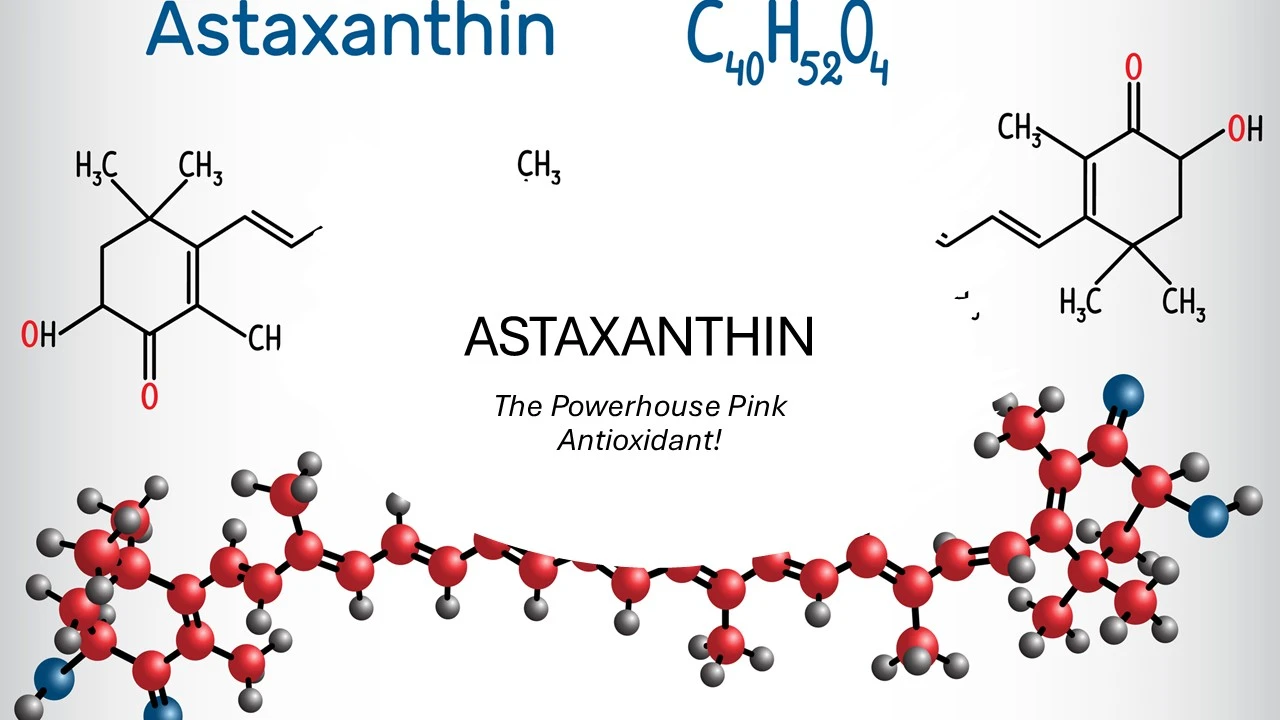
ASTAXANTHIN: The Powerhouse Pink Antioxidant!
As anyone who has known me for even a relatively short period of time knows, I am a glutathione enthusiast.
So much so that I have, on occasion, referred to myself as "The Glutathione Girl!"

When people ask me what's so special about this amazing little tripeptide, I can recite its attributes like a schoolgirl who has done her homework:
"It's the master antioxidant!"
"It's the master anti-inflammatory!"
"It's the master detoxifier - especially of metals!"
You get the idea. I am a fan.
So you can imagine my reaction when one of my clients, a gentleman in his eighties, waltzed into the shop one day and asked me about astaxanthin. Someone he knew and whose opinion he respected when it comes to such things had recently told him that everyone should be taking it because it was such an incredible antioxidant.
Through my glutathione-filtered brainglasses, I essentially thought, "Well, that's nice, but I use glutathione, and, after all, it is the MASTER ANTIOXIDANT."
Sometimes I just have to shake my head in wonder or simply laugh at myself!
I honestly don't remember what finally prompted me to take a closer look at astaxanthin. Something I read? Another conversation? Whatever it was, I finally started investigating it.
And once I did, I became "a believer" and began taking it myself.
Then astaxanthin seemed to start following me around, or I simply noticed it more.
In fairly short succession, someone else asked me about it. Then, just last week, a pharmacist I know in Florida sent me an article extolling the virtues of astaxanthin and asked me what I thought.
This time my answer was quite different.
I told him I was already on board, had been taking it myself for about over a month, and was planning to address it soon in one of my Saturday Zoom Webinars. (And I did exactly that yesterday, September 19, 2026, when astaxanthin became one of my "Trio of Wonders.")
So, what did the Glutathione Girl discover that made her sit up and pay attention to another antioxidant?
Let's learn more.
WHAT IS ASTAXANTHIN?
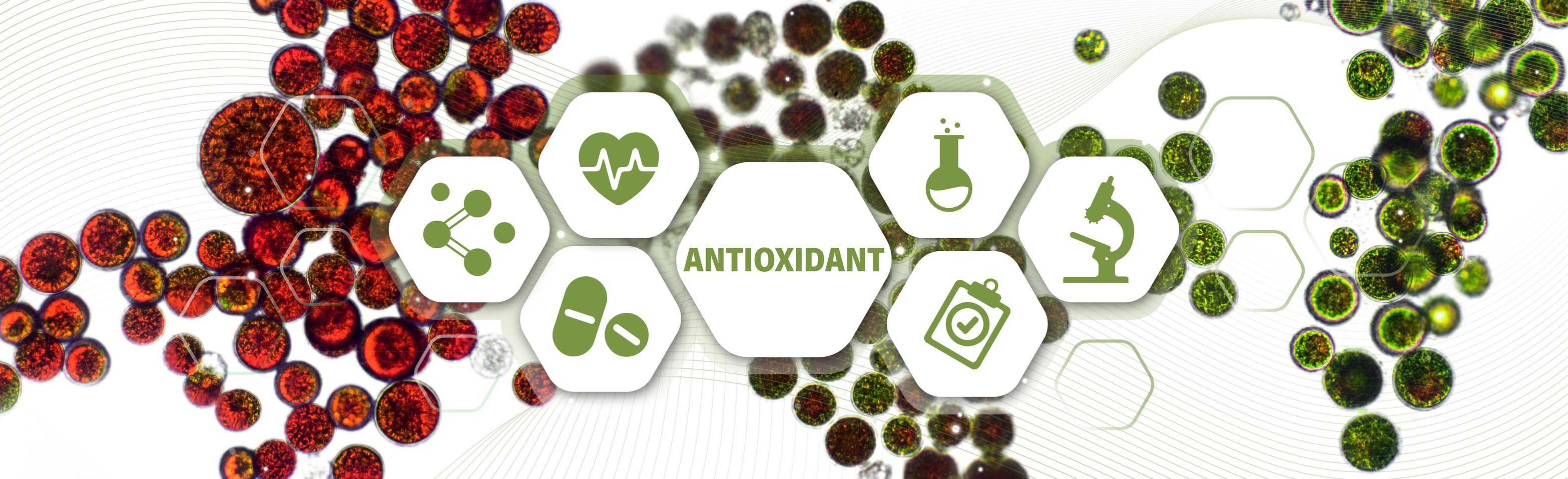
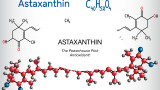
Astaxanthin is a naturally occurring red-orange pigment belonging to the carotenoid family. If the word carotenoid sounds familiar, it should. Beta-carotene, lutein, zeaxanthin and lycopene are all members of the larger carotenoid family.
Astaxanthin, however, is a xanthophyll carotenoid, and its particular molecular structure gives it some very interesting characteristics. Unlike beta-carotene, astaxanthin is not converted into vitamin A in the body. Its richest natural source is the freshwater microalga Haematococcus pluvialis.
This is where the curiosity wheels start to turn, right?
WHY ARE SALMON PINK?
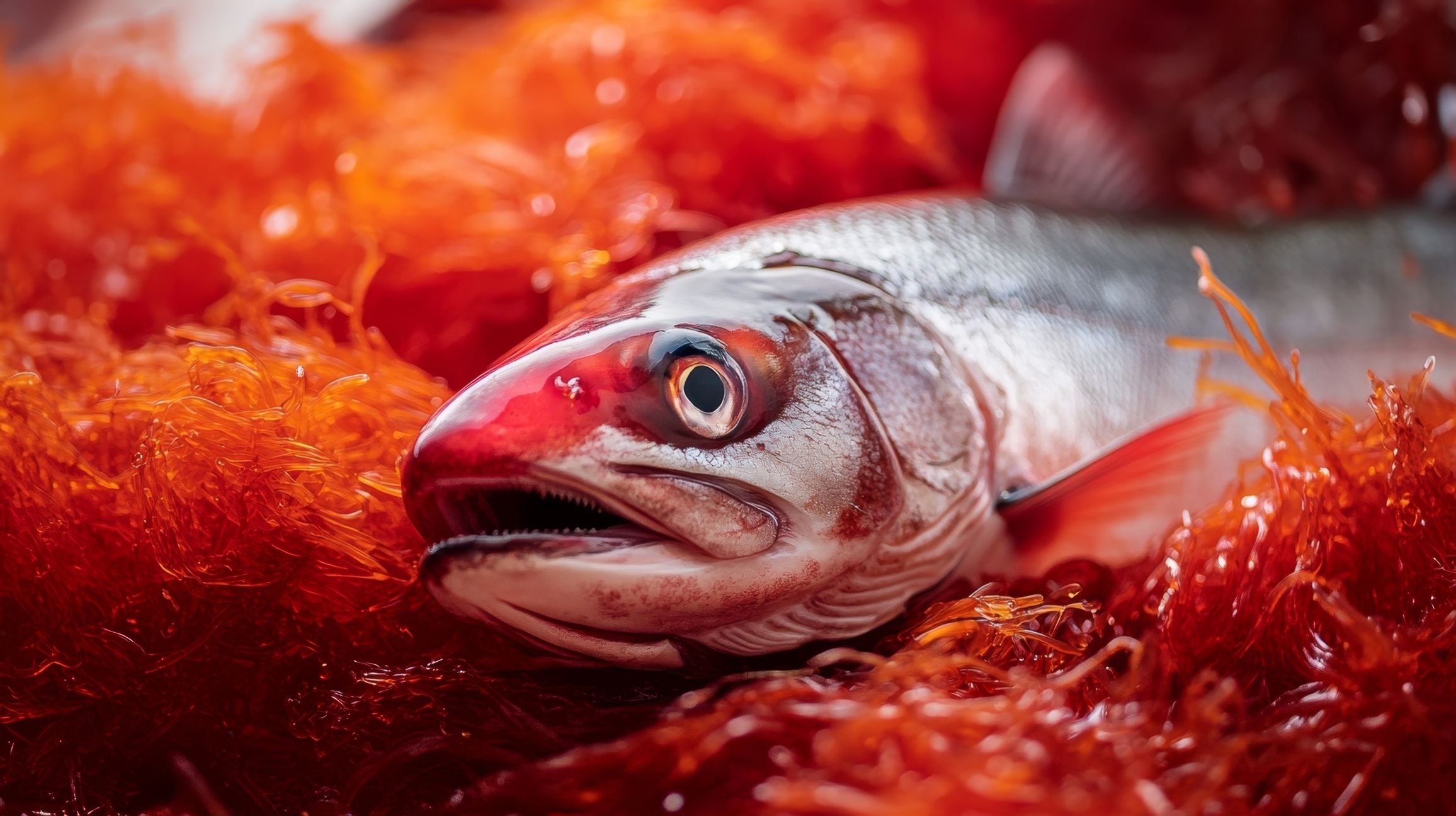
Astaxanthin is responsible for the beautiful pink-red color we associate with salmon, trout, shrimp, krill, lobster and other marine life. I had never even thought or wondered about that, actually.
The salmon's color comes from its diet! Microalgae produce astaxanthin, particularly when subjected to environmental stress. Small organisms consume the algae, larger creatures consume those organisms, and astaxanthin works its way through the food chain and, eventually, it reaches the salmon.
This food-chain reaction even explains the pink color of flamingos!
In other words, astaxanthin is a pigment that is produced as a result of nature's own protective response to harsh environmental conditions. We're not talking about the environment of the salmon or the flamingos, mind you, but the environmental stress of the algae itself.
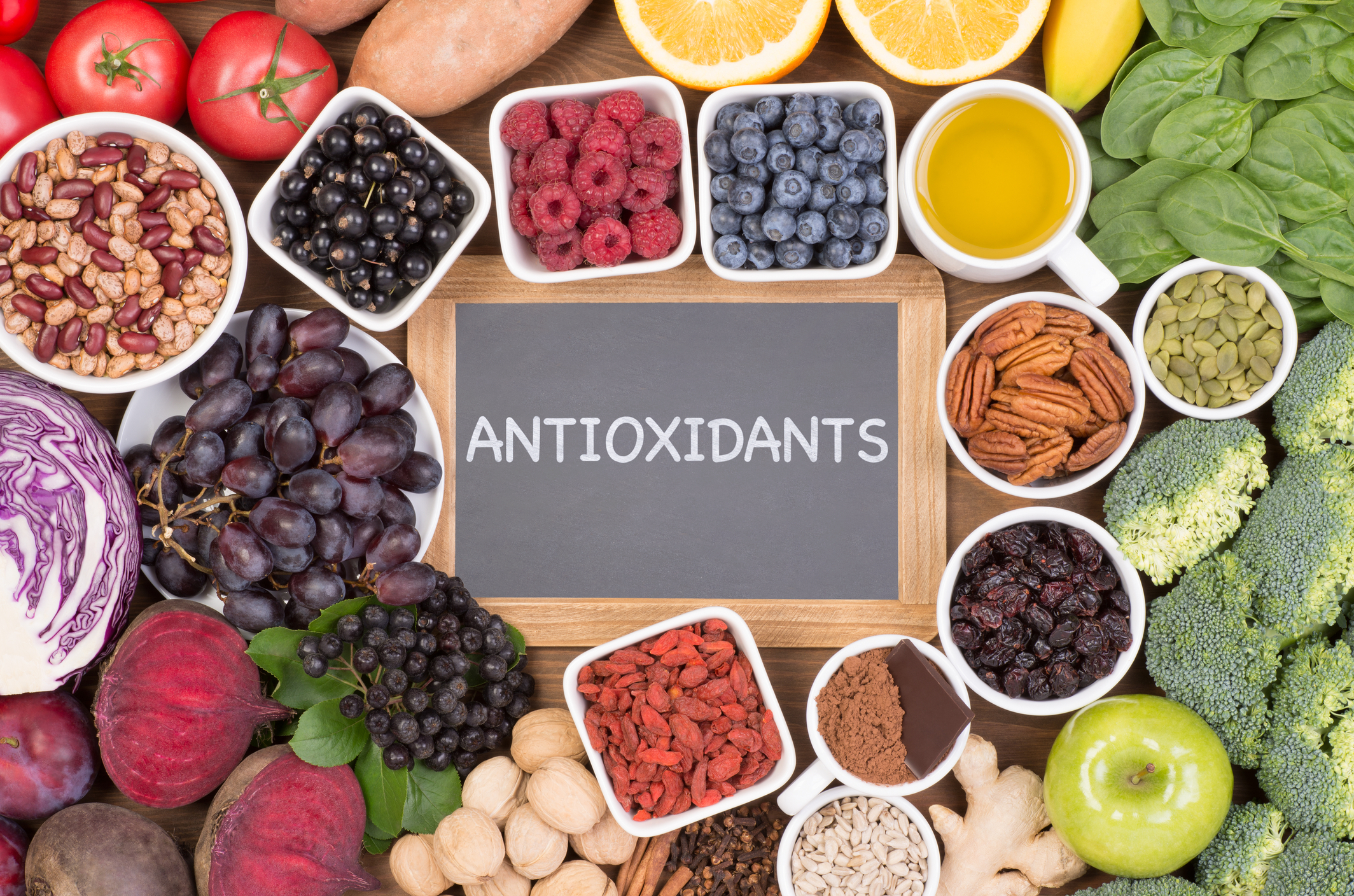
It always amazes me that we can benefit from the phytochemicals produced in plants to protect themselves to confer the same type of protection to ourselves! Some examples include:
- Tomatoes – Lycopene: Protects against light-induced oxidative stress; supports skin and cardiovascular health.
- Berries – Anthocyanins: Protect against UV and oxidative stress; support brain, vascular, and metabolic health.
- Grapes – Resveratrol: Produced in response to injury, infection, and stress; activates cellular stress-response pathways.
- Broccoli/Crucifers – Sulforaphane: Part of the plant's pest defense; activates our Nrf2 antioxidant and detoxification pathways.
- Turmeric – Curcumin: Helps defend against environmental and microbial stress; influences antioxidant and inflammatory pathways.
- Green Tea – EGCG/Catechins: Protect against UV, oxidation, and pests; support antioxidant, vascular, and metabolic defenses.
- Colorful Produce – Carotenoids: Protect plants from excess light and oxidation; support our eyes, skin, and cellular antioxidant defenses.
BUT WHAT MAKES ASTAXANTHIN SUCH AN INTERESTING ANTIOXIDANT?
This is where my "Glutathione Girl" ears really perked up. Astaxanthin is fat soluble, and its molecular structure allows it to position itself across cell membranes in an unusual way. Cell membranes are made largely of lipids, or fats, and are particularly vulnerable to oxidative damage.
Astaxanthin's structure allows different portions of the molecule to interact with both the fatty interior of the membrane and the watery environments on either side.
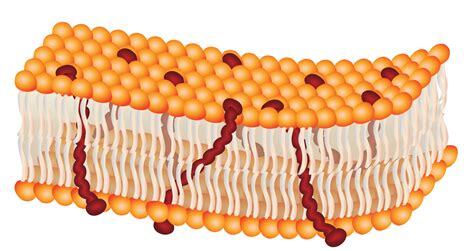 In the world of antioxidants, that's fascinating.
Rather than simply floating around looking for a free radical to neutralize, astaxanthin can position itself right within the membrane structure that needs protection.
This helps explain why astaxanthin has attracted so much interest as an antioxidant and why researchers have investigated its ability to protect lipids and cellular membranes from oxidative damage.
It also interacts with the body's own antioxidant and inflammatory signaling systems. Research suggests effects involving pathways such as Nrf2, which helps regulate our endogenous antioxidant defenses, and NF-kB, an important regulator of inflammatory signaling.
So, no, I am not relinquishing my Glutathione Girl title! I have simply made room for another very interesting player.
ASTAXANTHIN & INFLAMMATION
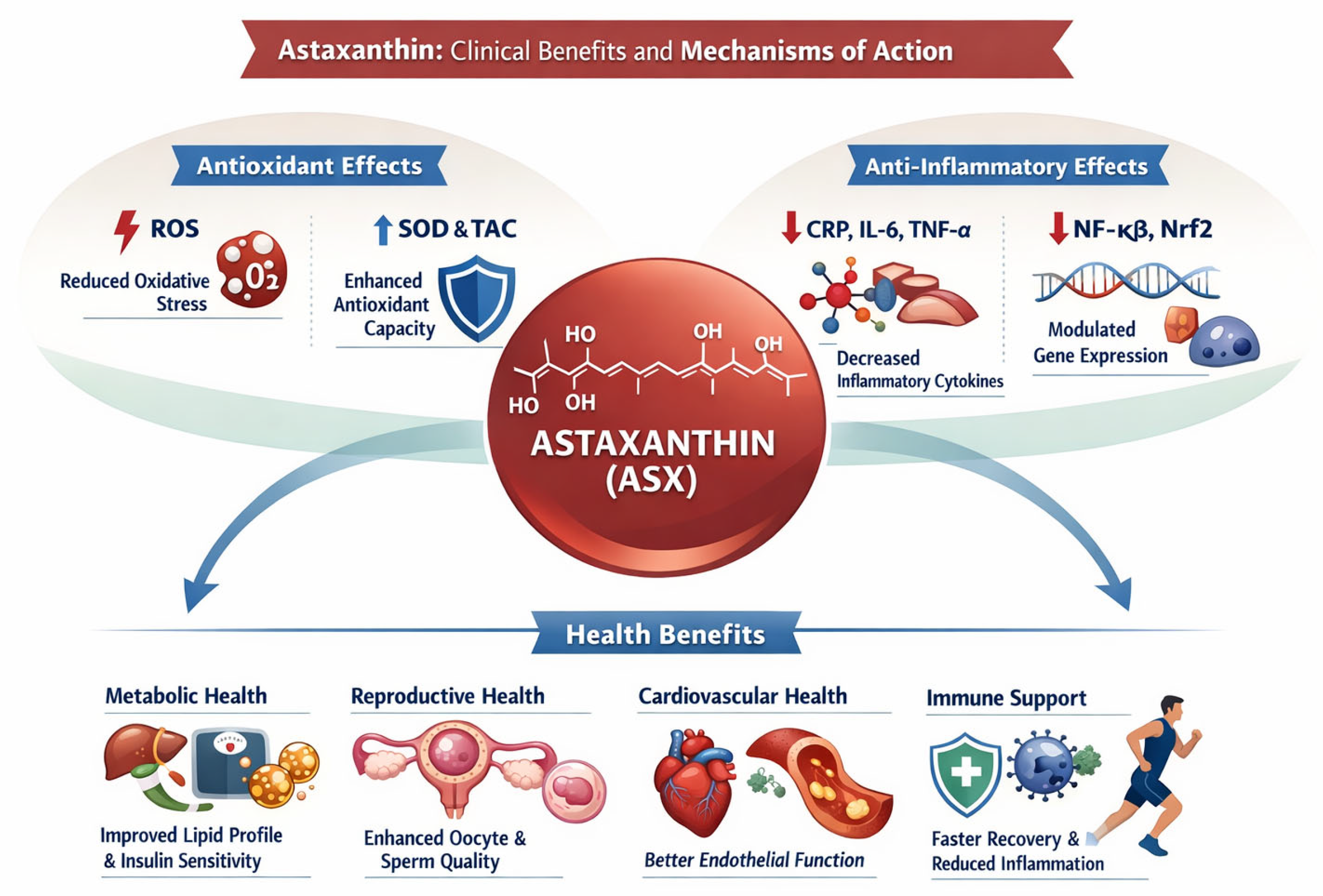 Oxidative stress and inflammation are closely intertwined.
Astaxanthin has been studied not only for its ability to interact with reactive oxygen species but also for its effects upon inflammatory signaling.
A meta-analysis of randomized controlled trials in humans found that astaxanthin supplementation produced modest improvements in certain markers of oxidative stress and inflammation. More recent reviews of human studies have also reported reductions in several inflammatory and oxidative-stress markers.
THEN, IT IS THE EYES THAT REALLY GET MY ATTENTION
The retina is extraordinarily metabolically active. It is constantly exposed to light, has a high oxygen demand, and contains abundant fatty acids - all of which make protection against oxidative stress particularly important.
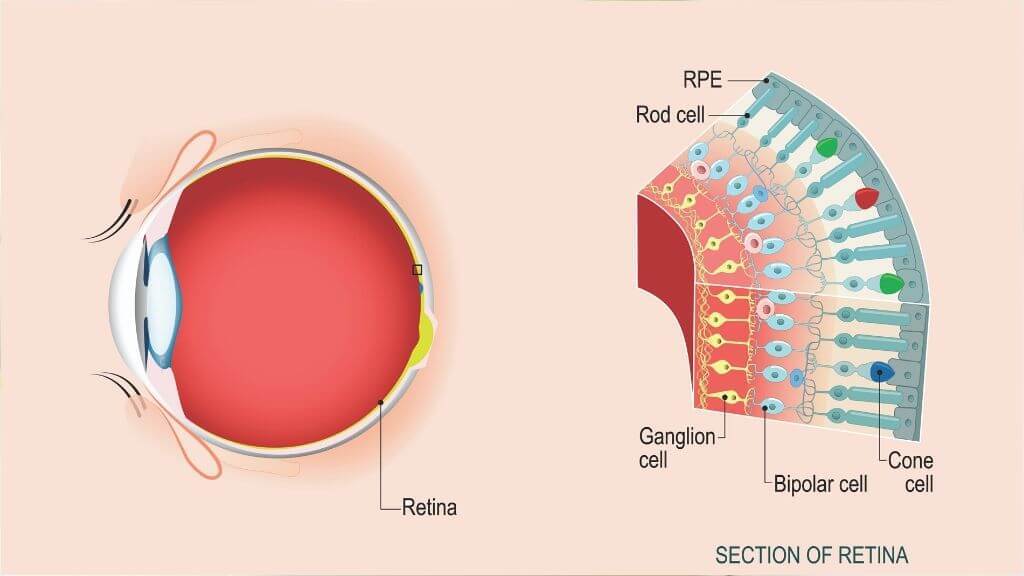 Astaxanthin is of particular interest because it can reach ocular tissues and has been investigated for retinal protection, visual fatigue, eye strain, accommodation, ocular blood flow and other aspects of eye health.
Eye health is one of the areas in which astaxanthin has accumulated meaningful clinical human research.
For example, in a 2025 randomized, double-blind, placebo-controlled trial, children ages 10–14 who experienced digital eye strain and spent at least four hours daily using screens were given 4 mg of astaxanthin or placebo for 84 days. Astaxanthin significantly improved computer vision syndrome symptoms and visual fatigue, with additional improvements in measures of depth perception and pupillary light response. The study provides compelling evidence for astaxanthin's potential to support the eyes in our increasingly screen-intensive world.
For those of us who spend far too much time looking at computer screens - yes, I am raising my own hand here - this is particularly interesting!
AND THEN THERE IS THE BRAIN (Always, the BRAIN!!!)
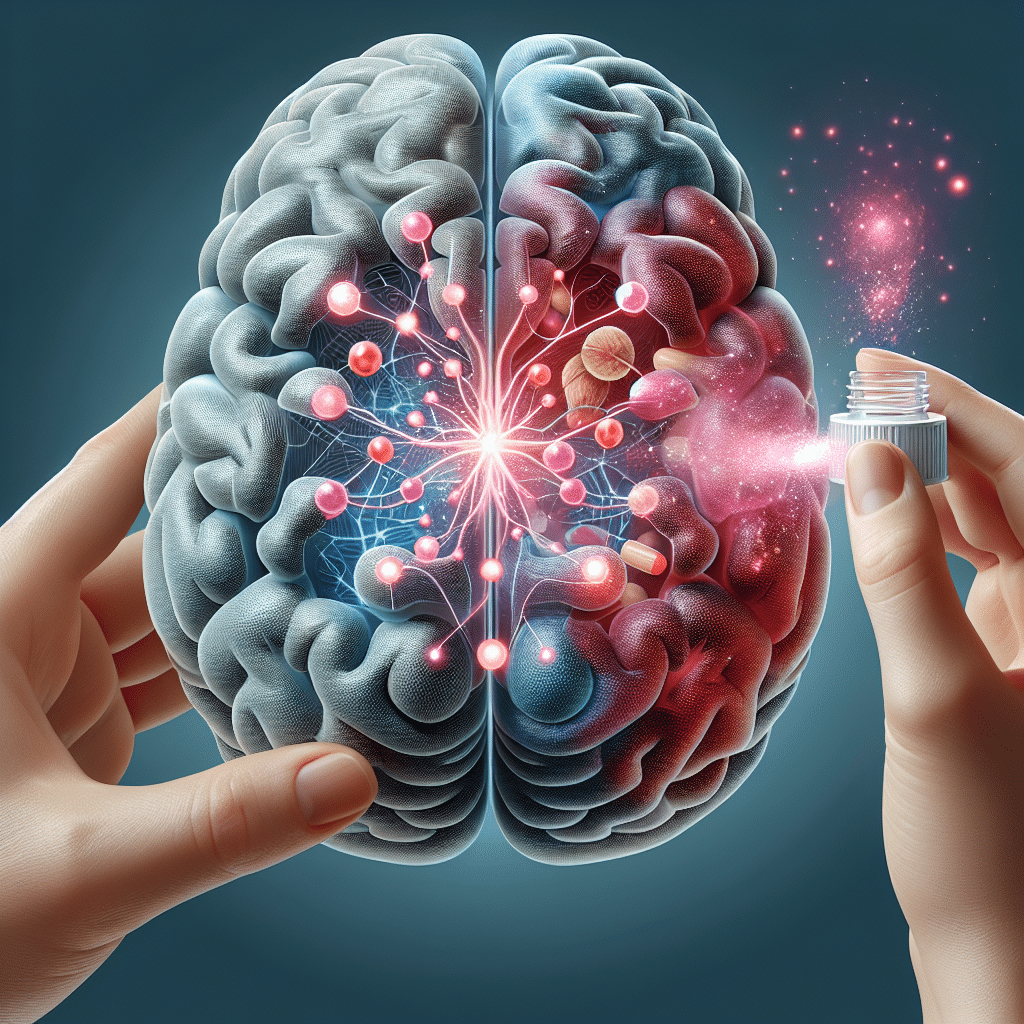 Because astaxanthin is lipid soluble, it has the ability to cross the blood-brain barrier, and not every antioxidant is capable of doing that very easily. That makes astaxanthin especially interesting in discussions of brain aging and neuroprotection.
Oxidative stress, mitochondrial dysfunction, and chronic neuroinflammation are involved in many of the changes we associate with brain aging and neurodegenerative disease. Astaxanthin has therefore been investigated for its potential effects on these processes. Research has explored possible roles in cognitive function, neuroinflammation, mitochondrial protection and neurodegenerative conditions such as Alzheimer's and Parkinson's disease.
In fact, a recent review of astaxanthin's effects on the brain highlights its potential to protect neurons through its antioxidant, anti-inflammatory, and anti-apoptotic actions. Research in cellular and animal models suggests that astaxanthin may help counter processes involved in neurodegenerative conditions such as Alzheimer's and Parkinson's disease, while also supporting hippocampal neuroplasticity—the brain's ability to adapt and form new connections. Interestingly, the authors also discuss the possibility that astaxanthin may work synergistically with exercise to further support brain health.
That - alone - is exciting!
SKIN FROM THE INSIDE OUT
Because astaxanthin accumulates in tissues and helps protect against oxidative stress, researchers have studied it in relation to skin aging and ultraviolet exposure.
Clinical studies have reported improvements in such measures as skin moisture, elasticity, texture and wrinkles, along with evidence suggesting some protection against UV-induced skin damage.
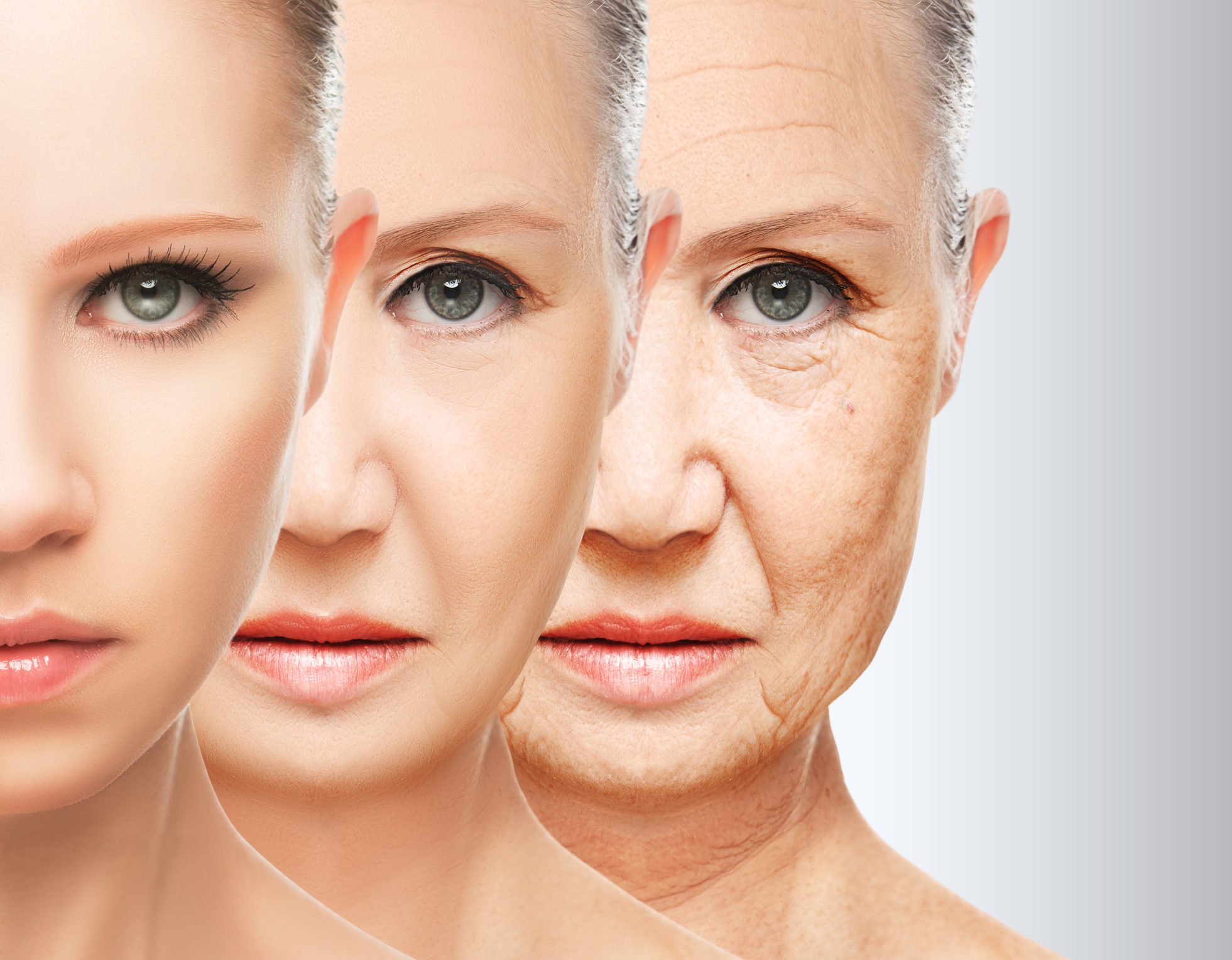 A systematic review and meta-analysis of 11 human studies examined astaxanthin's potential effects on skin aging. In the randomized controlled trials, oral astaxanthin supplementation significantly improved skin moisture and elasticity compared with placebo.
Additional studies using topical or combined oral and topical astaxanthin also suggested protective effects, supporting interest in astaxanthin as a nutritional approach to maintaining skin hydration, elasticity, and healthy aging.
HEART & METABOLIC HEALTH
 The cardiovascular system is another area in which astaxanthin is being investigated.
Oxidation of lipids, inflammation, endothelial function, blood pressure, glucose regulation and insulin sensitivity all play roles in cardiometabolic health, and researchers have examined astaxanthin in each of these areas.
Some human studies and meta-analyses have reported favorable changes in triglycerides, cholesterol fractions and certain metabolic markers. A review examining astaxanthin in relation to cardiovascular health highlights the important roles of oxidative stress and inflammation in atherosclerotic cardiovascular disease. Human studies found that astaxanthin supplementation reduced markers of oxidative stress and inflammation and improved blood rheology, or blood-flow characteristics, with no adverse outcomes reported. Experimental studies also demonstrated protective effects in models of myocardial ischemia and reperfusion, supporting continued investigation of astaxanthin for vascular and cardiovascular protection.
EXERCISE & RECOVERY
 Astaxanthin has also attracted attention in the exercise world because strenuous exercise temporarily increases oxidative stress and inflammation.
Studies have looked at endurance, muscle damage, recovery and exercise metabolism.
A 2025 animal study examined astaxanthin in a rat model of chronic exercise fatigue and found that supplementation improved skeletal-muscle antioxidant capacity and mitochondrial function. Astaxanthin also prolonged time to exhaustion, reduced markers of muscle damage, and accelerated post-exercise recovery, including restoration of energy-related measures such as liver glycogen. The findings suggest several mechanisms by which astaxanthin may support exercise endurance, fatigue resistance, and recovery.
ATAXANTHIN SUPPLEMENT FORM?
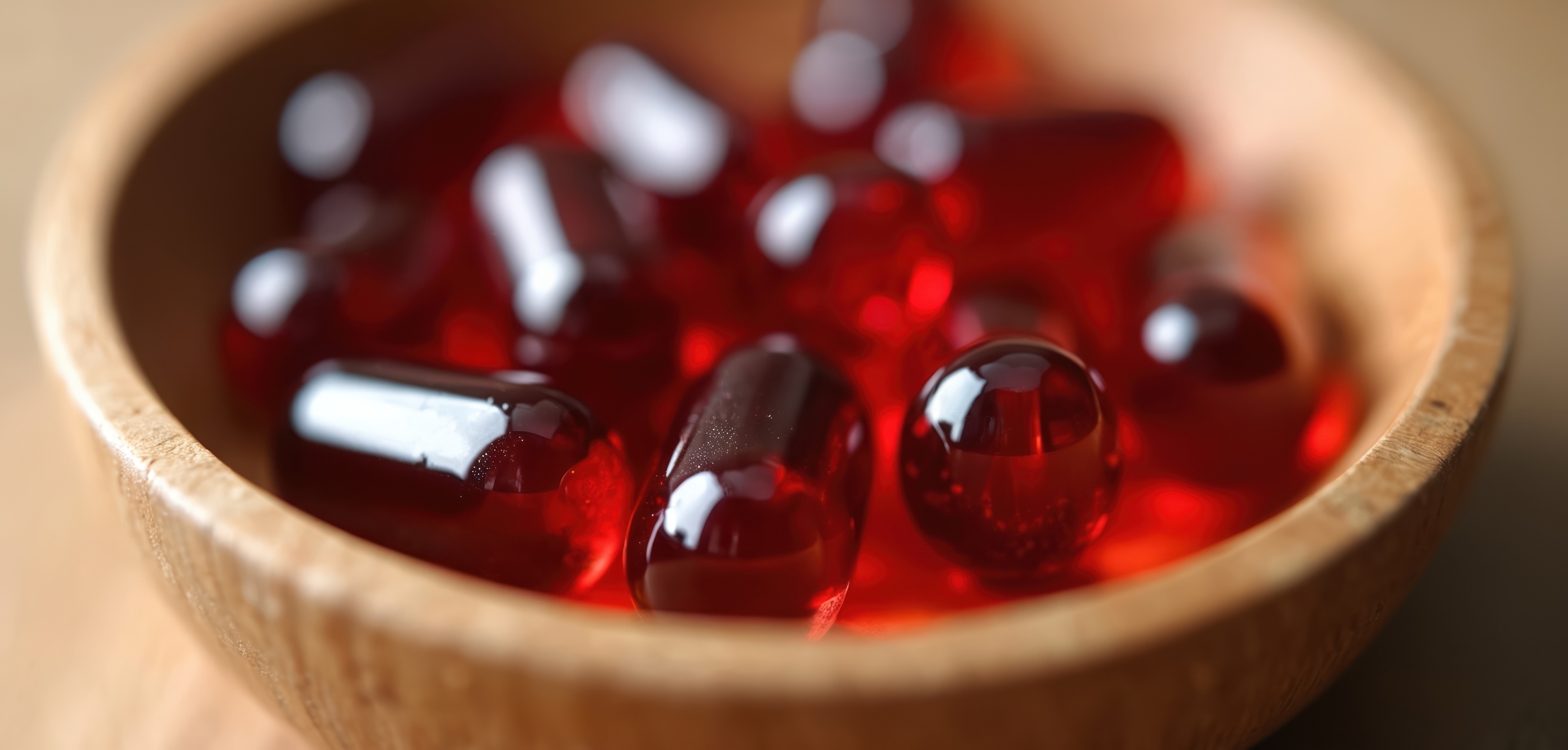 Most of the natural astaxanthin used in dietary supplements is derived from Haematococcus pluvialis microalgae.
Synthetic astaxanthin also exists and is used extensively in aquaculture, although the astaxanthin used in human nutritional supplements and clinical research is predominantly naturally derived from microalgae such as Haematococcus pluvialis.
HOW MUCH?
Human studies have used a range of doses depending upon what researchers were studying. For general supplementation, doses in the neighborhood of 4 to 12 mg daily are common, with 6 to 12 mg being frequently used. Because astaxanthin is fat soluble, it makes sense to take it with a meal containing some fat to enhance absorption.
IS IT SAFE?
Astaxanthin has generally demonstrated a good safety profile in human studies. Reported side effects tend to be mild and may include gastrointestinal symptoms or changes in stool color. At sufficiently high intakes, carotenoid pigments can also influence skin coloration.
Because astaxanthin may affect blood pressure, blood glucose, platelet activity and immune signaling, those taking medications or dealing with relevant medical conditions should take those factors into account.
So, is ASTAXANTHIN really a "Powerhouse Pink Antioxidant?"
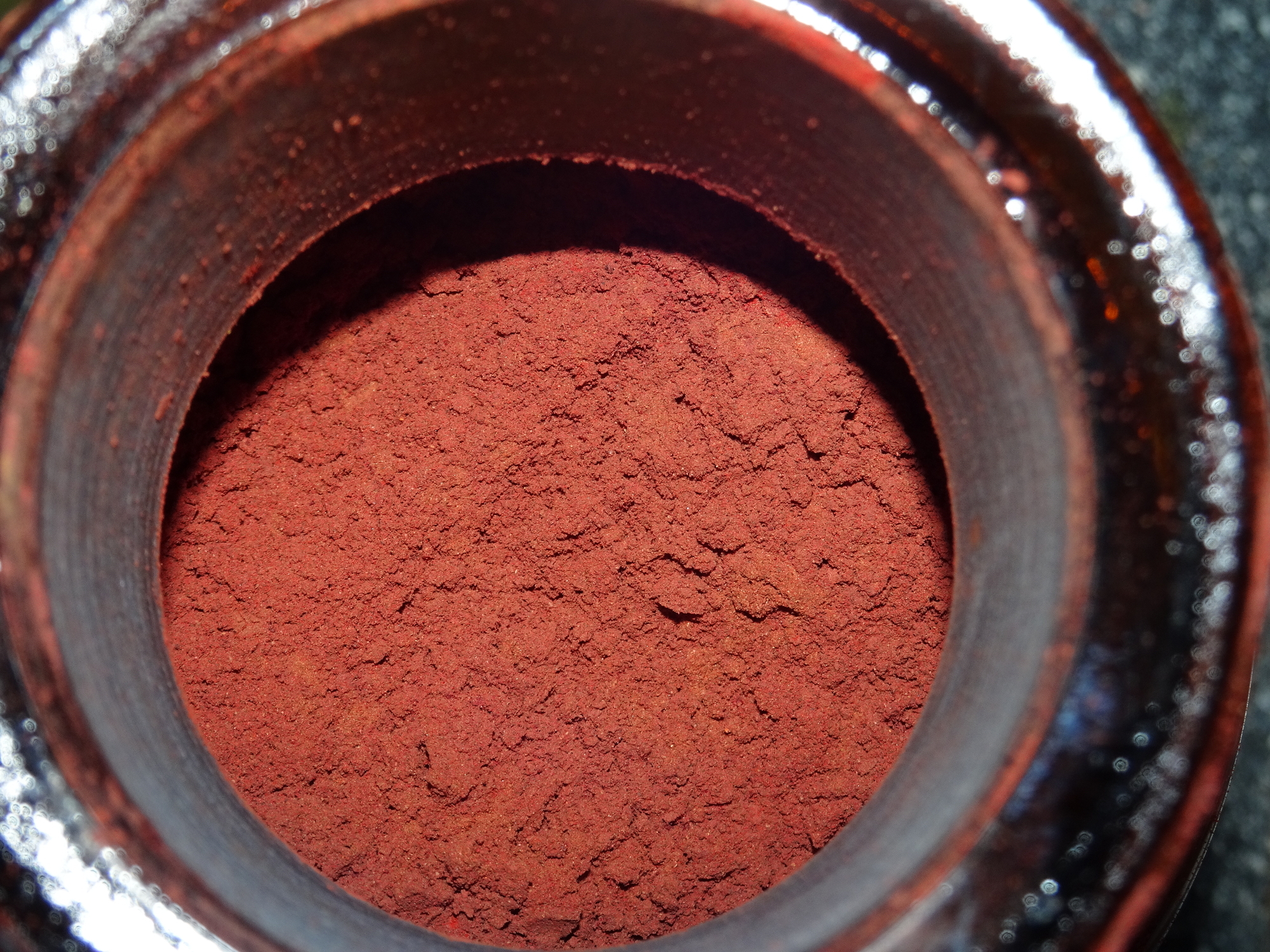 Oh, yes, I would certainly say so! What won me over wasn't discovering an antioxidant that somehow "beats" glutathione.
That's not really how biology works. Different antioxidants function in different environments, interact with different tissues, participate in different antioxidant networks and perform different jobs.
Glutathione remains enormously important as one of our body's primary endogenous antioxidant and detoxification systems.
Astaxanthin brings something different to the table.
- Its fat solubility.
- Its unusual relationship with cellular membranes.
- Its ability to reach tissues such as the eyes and brain.
- Its interaction with oxidative stress and inflammatory pathways.
And an expanding body of research involving everything from skin and eye health to brain aging and cardiometabolic function.
Apparently, even the Glutathione Girl can make room for another antioxidant!
ADDITIONAL RESOURCES
 I talked about astaxanthin in my September 19, 2026 Zoom Webinar as one of "A Trio of Wonders." There you'll find the video presentation as well as the PDF version of the PowerPoint slides to view, download and share.
The other two "wonders" are Creatine and Alginic Acid.
Three very different substances that caught my attention for three very different reasons - and each turned out to have a much more interesting story than I initially realized.
If you are interested in adding Astaxanthin to your supplement regimen, you can Purchase Astaxanthin Here
Advice & articles
-
ALGINIC ACID: Putting a Lid on Reflux!
20th Sep 2026I found it a bit of a sobering shock when a client told me just last week that she had discovered th
-
ASTAXANTHIN: The Powerhouse Pink Antioxidant!
20th Sep 2026As anyone who has known me for even a relatively short period of time knows, I am a glutathione enth
-

CREATINE: Not Just For Bodybuilders!
20th Sep 2026For the longest time, I thought of creatine, if not exclusively, at least primarily as a bodybuilder
- Read more articles